
Most advice about getting more customers to a cafe starts with social media. Post more, post consistently, try Reels. That is not wrong. It is just third in line, and nobody says so.
The reason it matters is that a new customer rarely finds your cafe through Instagram when they are hungry and nearby. They open Google, or they scroll a delivery app, or they read the reviews of two places before choosing one. By the time Instagram enters the picture, you have already won or lost that moment. So the sequence you activate channels in is the actual strategy.
What follows is the order we work in at Soovita, and the reasoning behind each step.
Step 1: Make Your Cafe Easy to Find Online
Most new cafe customers start with a Google search. Before anything else, your Google Business Profile needs a precise primary category (such as "Cafe" or "Coffee Shop"), accurate opening hours, a short description that names your location and offer, and at least ten photos of your space and menu items. These four fields directly affect whether you appear in the local map results when someone nearby is searching right now.
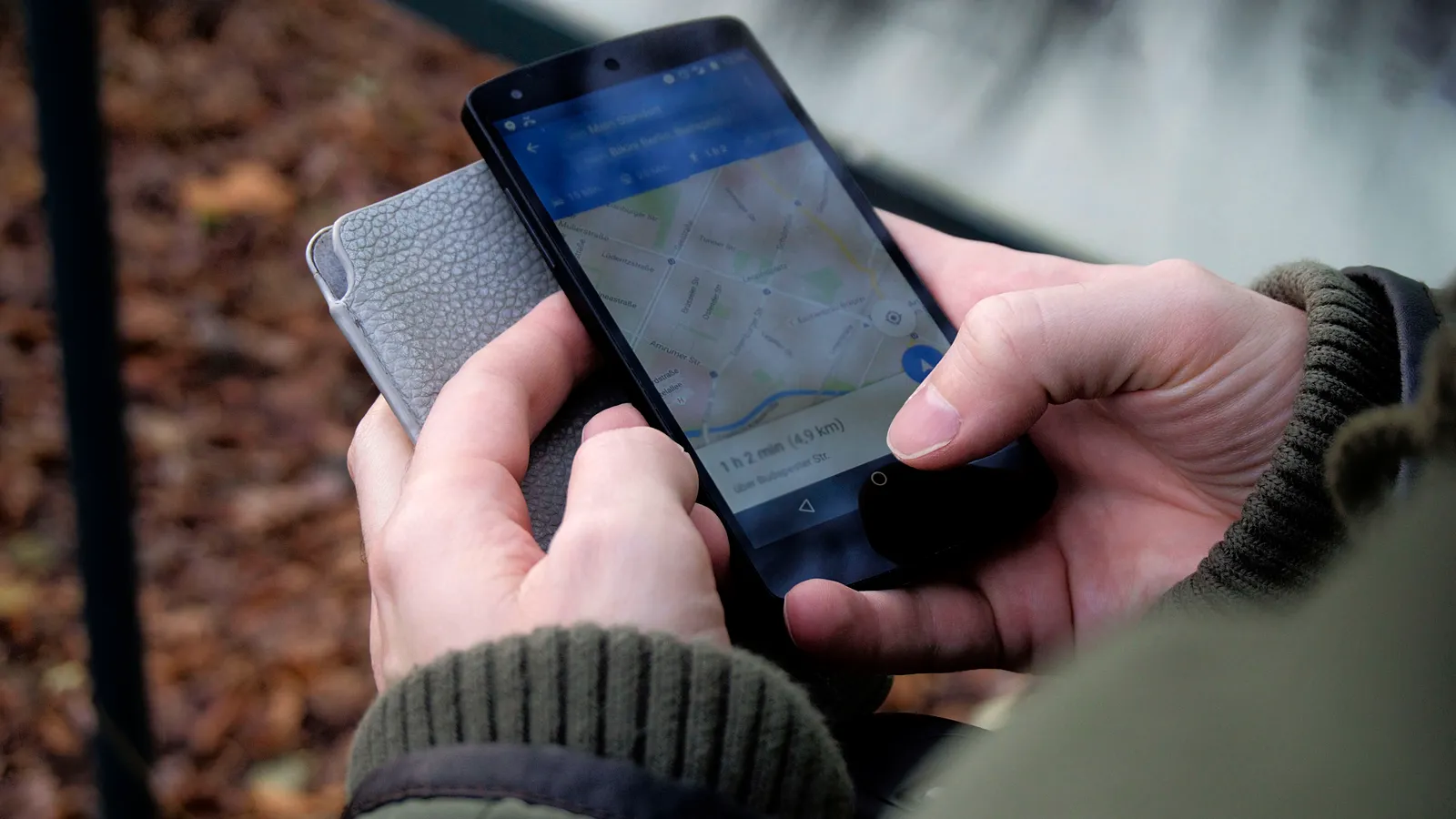
Most customers decide before they ever reach your door, on a phone screen a few streets away.
What your Google Business Profile must show before anything else:
- Primary category. Your primary category is the single most influential relevance factor for local search ranking and must accurately reflect your main offer. For a cafe that also serves food, "Cafe" as primary and "Breakfast Restaurant" or "Sandwich Shop" as secondary categories cover more search queries without diluting relevance.
- Opening hours, updated and exact. Opening hours are a relevance signal: businesses that are open when a user searches are more likely to appear in results and tend to rank higher than those shown as closed. Holiday hours matter here too.
- A business description that earns its space. You have 750 characters. Name the neighbourhood, describe the product, and mention what makes the place worth visiting. Skip the adjectives and write the facts.
- Photos, regularly refreshed. Profiles with photos get significantly more direction requests. Upload interior shots, the counter, your best-selling drinks, and the food. Shoot in natural light. Blurry or dark photos work against you.
How to use categories and photos together: a cafe with a clear primary category and consistent visual content gives Google the confidence to surface it for searches like "cafe near me" or "brunch Tallinn." Both signals feed the same ranking factor: relevance. Read Google's own guidelines for food and drink venues at support.google.com/business/answer/3038177 to see exactly what is and is not permitted.
If you want someone to handle this properly, Soovita offers Google Business Profile management for cafes as a standalone service.
Step 2: Turn Your Instagram into a Discovery Channel
Posting frequency is not the problem most cafe owners think it is. Someone posting three times a week with no clear content logic will get fewer profile visits than someone posting four times a week with a consistent format. The platform rewards predictability, and so do the people browsing it.
Which post formats drive the most profile visits for cafes:
- Menu close-ups, not lifestyle shots. A tight photo of your cortado with visible texture answers the implicit question a browser is actually asking: what will I get here? Mood photos of empty chairs answer nothing.
- Short preparation clips. Ten seconds of a barista pulling a shot or plating a dish performs consistently for cafes because it is specific and credible. It signals skill without claiming it.
- Regular stories showing what is on today. This is the lowest-effort, highest-frequency content you can produce. A phone shot of the day's special at 9am, posted to Stories, reaches people who are already thinking about where to eat.
How to caption posts so they work for both the algorithm and the reader: write the most important information first (what it is, where you are), then add context. The algorithm reads the first line. The reader decides in the first line whether to keep reading. Tagging your location on every post is not optional; it is how you appear in location searches on the platform.
Soovita runs Instagram and social media management for cafes and restaurants if you want a consistent posting rhythm without building it yourself.
Step 3: Use Customer Reviews as a Sales Tool
The standard advice is to ask for reviews. That is correct, and you should. But the part most cafe owners skip is what to do with reviews once they arrive. Every reply you write is read by the next person deciding whether to visit. That person has not been to your cafe yet. Your reply is their first impression.

Every reply you write is read by someone who has not visited yet, and it shapes their decision.
What to write when a review is positive: thank the reviewer by name, reference something specific they mentioned, and add one sentence that gives the next reader useful information about your cafe. "We are glad the oat flat white hit the spot, it is one of our most requested drinks" does more work than "Thank you for your kind words."
How to handle a critical review without losing future customers: do not apologise in a way that confirms the complaint without context, and do not argue. Acknowledge the experience, state plainly what you do (or have changed), and invite them back. A calm, specific reply to a negative review often reassures the undecided reader more than five positive ones, because it shows the owner is paying attention.
Google factors in your review volume, recency, and star rating when deciding which businesses to surface in the map results. Restaurants with a steady flow of fresh reviews consistently outrank those with a large but stagnant review count. Asking at the right moment matters: asking for a review right after a positive experience, not days later, is when customers are most likely to follow through.
Soovita handles review reply management for restaurants and cafes if responding consistently is something your team does not have time for.
Step 4: Get Listed on Delivery Apps to Reach Customers Who Never Walk Past
Wolt and Bolt Food are not just order channels. For a cafe with a well-built listing, they function as a second discovery engine: a surface where people who would never walk your street can find you by browsing categories, time of day, or cuisine type.
What makes a delivery platform different from most marketing channels is proximity and timing. A social media post might reach people across the city who are not thinking about food. A delivery app listing reaches customers who are in your delivery radius, hungry, and ready to order right now.
How to optimise a Wolt or Bolt Food listing for visibility, not just orders:
- Your cover photo decides the click. Use a single, well-lit hero image of your most recognisable product. Not your logo. Not your interior. The thing people will actually order.
- Category and tags must match what people search for. Products get visibility based on relevance, not just venue name, helping merchants surface their best offerings to customers who are actively looking for them. Accurate categories do the work here.
- Keep the menu focused. A shorter, clearly structured menu with good item photos and honest descriptions converts better than a long list with no photos. Name each item plainly. Add portion context where it helps.
- Opening hours must be live and accurate. The platform does not show restaurants that are closed when a user opens the app looking for something to order. Incorrect hours mean you are invisible during the slots you should be filling.
Soovita manages Wolt and Bolt Food listing optimisation for cafes and restaurants across Tallinn.
Step 5: Build a Rhythm That Keeps Regulars Coming Back
Most cafes lose returning customers not through a single bad experience but through inconsistency. The oat flat white was perfect on Tuesday and watery on Friday. The cake that someone told a colleague about was not available when the colleague came. Small inconsistencies erode the confidence that turns a first-time visitor into a weekly regular.
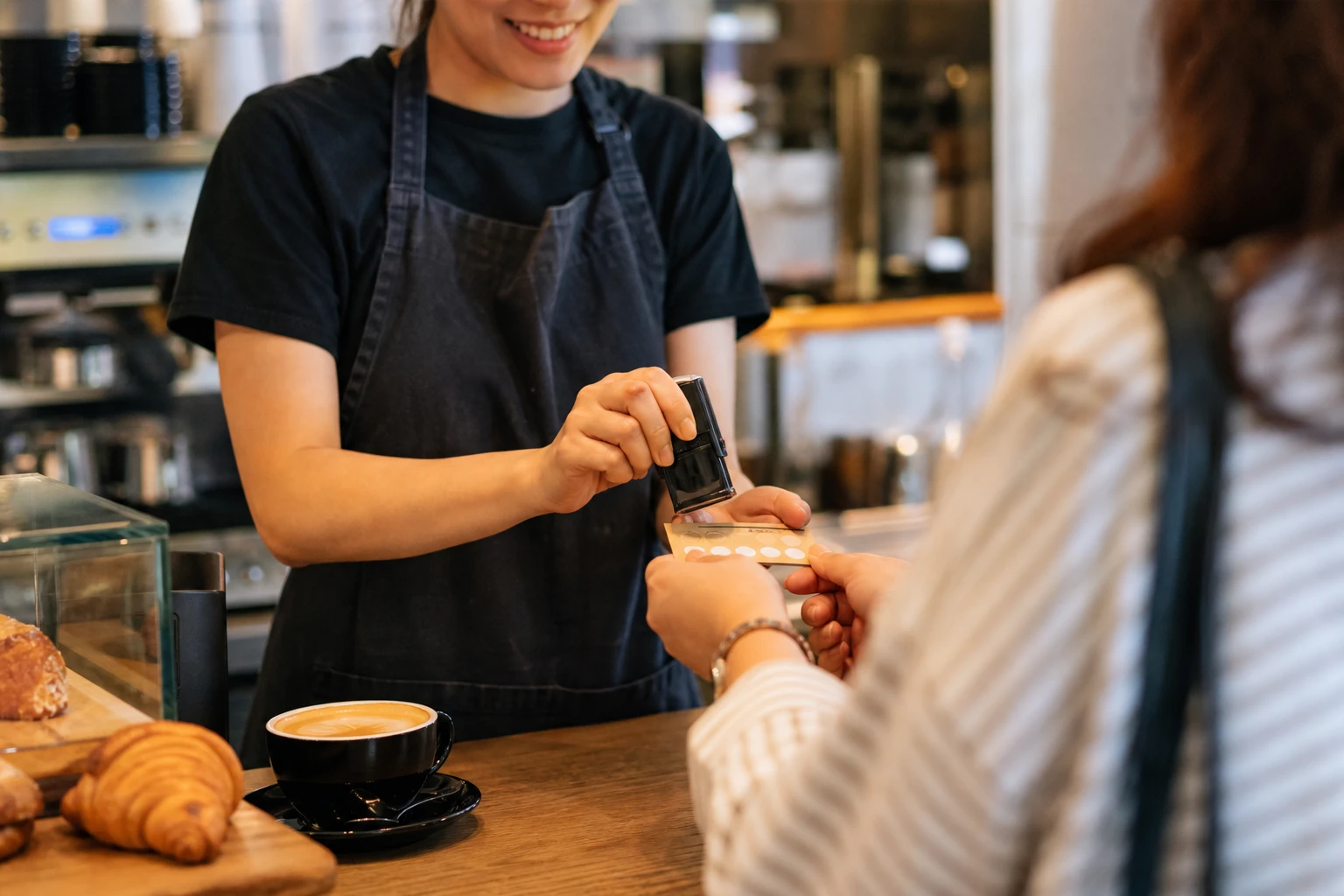
A simple stamp card, used consistently, turns a first visit into a weekly habit.
Acquiring a new customer costs around five times more than retaining an existing one, which makes retention the highest-return habit a small cafe can build. The first move is not a loyalty programme. It is consistency: the same product quality, the same welcome, the same menu items available when they are listed.
Simple loyalty mechanics that do not require an app or a budget:
- A paper stamp card, used properly. A punch card loyalty programme is a straightforward and effective way for cafes to encourage repeat business. The mechanic only works if staff offer it consistently and the reward is worth having.
- Recognising regulars by name or order. Exceptional service is the foundation everything else builds on. No loyalty programme or social media strategy can compensate for customers feeling ignored, rushed, or undervalued.
- A seasonal special with a fixed return date. "The autumn spiced latte comes back in September" gives people a reason to return without discounting or running a campaign.
For more on why customer retention matters more than acquisition for small hospitality businesses, the detail behind the economics is worth reading if you run a lean team.
FAQ
How do I get more foot traffic to my cafe?
Start with your Google Business Profile. When someone searches "cafe near me" from a nearby street, your listing either appears or it does not, and that depends on your category, hours, and photo quality before anything else. Fix those first, then layer in social content and delivery app visibility.
What is the best way to market a small cafe with a limited budget?
Prioritise Google over paid advertising. A complete, accurate Google Business Profile costs nothing and works around the clock. Consistent Instagram posts shot on a phone outperform infrequent, polished ones. Replying to every review is free and builds the trust that converts a browser into a visitor.
Does being on Wolt or Bolt Food help a cafe attract new customers?
Yes, beyond delivery orders. A well-optimised listing with a strong cover photo and accurate categories surfaces your cafe to users who are browsing the app by location, time, or food type, reaching people who would never discover you by walking past or searching Google.
Where to Start If You Are Running a Cafe on Your Own
The sequence in this guide reflects the order in which a new customer actually finds and chooses a cafe: Google first, then social proof, then delivery apps, then the habits that keep them coming back. Activate these channels in a different order and you build an audience before you have a foundation to send them to.
If you are short on time and unsure where your cafe is currently losing visibility, the most useful first step is to know exactly what is missing before you try to fix it.
Get a free venue audit from Soovita and find out which channel is costing you customers right now.
Photos by RDNE Stock project, Ingo Joseph, iam hogir on Pexels.